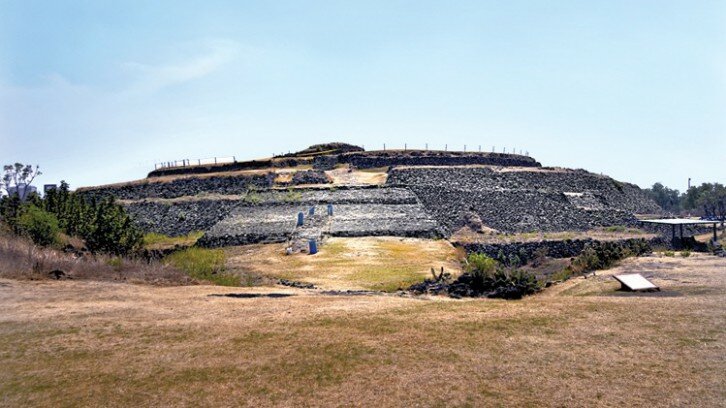
Mexico City is one of the world's great museum capitals —it is often said that only London has more— and that abundance is the problem rather than the pleasure. You cannot see them all, and the usual mistake is to try. A better approach is to pick one anchor museum per day and let the neighbourhood around it fill the rest.
The three you should not miss. The National Museum of Anthropology, in Chapultepec, is the one unmissable building in the country: the Mexica, Maya, Teotihuacan and Oaxaca halls hold the objects every other museum refers to, and two to three hours is the minimum. The Templo Mayor, beside the Cathedral, is the excavated heart of Tenochtitlan with its own museum of what came out of the ground. And the Palacio de Bellas Artes holds the murals of Rivera, Orozco and Siqueiros in one room —the fastest way to understand Mexican muralism.
The houses of artists. The Frida Kahlo Museum in Coyoacán and the Diego Rivera Anahuacalli nearby are both time-slotted and sell out: buy online, days ahead. The Dolores Olmedo collection and the Soumaya cover the same period from private collections.
Practical rules. Almost every museum in the city closes on Monday — plan Monday for parks, markets and churches. Sunday is free for Mexican residents at the public museums, which means long queues and full rooms; Tuesday and Wednesday mornings are the quietest. Most charge a separate fee to use a camera, keep bags in a cloakroom, and will not let you in with a large backpack. INAH sites give free entry to students and over-60s with Mexican credentials, and admission is generally low by European or North American standards.
Beyond the obvious. The city's strength is its small, single-subject museums: a museum of the object, of popular art, of caricature, of toys, of light. If you have a specific interest, there is almost certainly a museum devoted to it, and those are the visits people remember. See also our art and museums experiences.
 Facebook
 Twitter
 Instagram