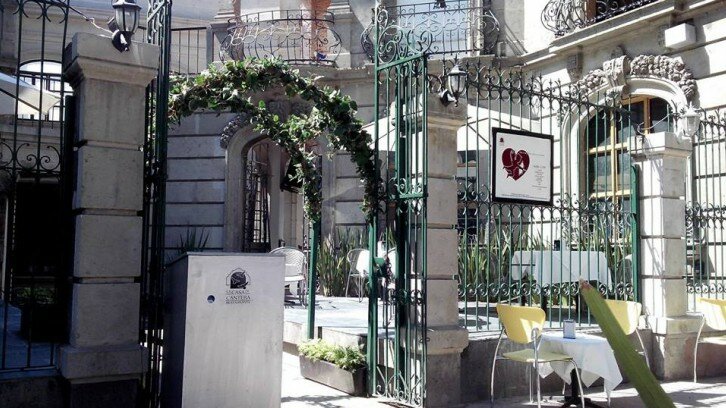
What this section covers. The top end of a city that has become one of the serious dining capitals of the world.
Where it is concentrated. Polanco holds most of the internationally known kitchens, several of them regularly in the world rankings. The Roma and Juárez hold the younger, less formal end — the places rereading Mexican ingredients without the white tablecloth. San Ángel offers the same quality in colonial houses with courtyards.
What makes the Mexican high end distinctive. Not technique imported wholesale, but the opposite: the serious kitchens here work from native ingredients that barely exist elsewhere — criollo maize in dozens of varieties, chiles by name and origin, insects, herbs like hoja santa and epazote, and cacao prepared the way it was before Europe got hold of it. The tasting menus are an argument about Mexican cooking, not a French one with local decoration.
And the drink. Mezcal and raicilla by variety and producer, Mexican wine from Baja California's Valle de Guadalupe, and increasingly ambitious cocktail programmes.
Practical notes. The best-known kitchens take bookings weeks or months ahead, especially for Friday and Saturday evenings. Dinner starts late — 21:00 is normal. Tipping is 10 to 15 per cent and often not included. Ask about dress code at the formal end of Polanco.
 Facebook
 Twitter
 Instagram