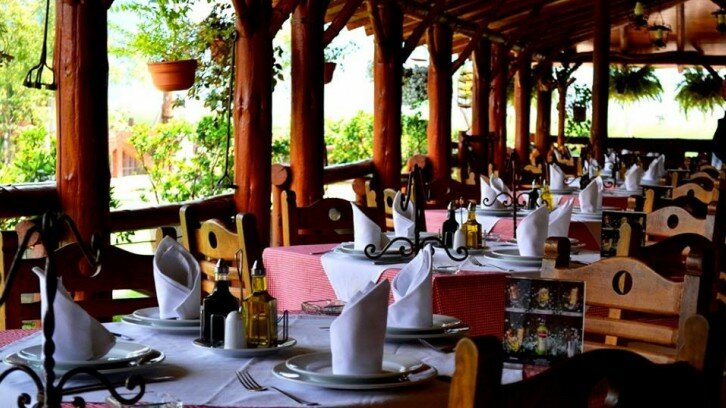
What this section covers. Meat and seafood — the two things a landlocked city at 2,240 metres is not supposed to do well, and does.
The seafood, and why it works. Mexico City is 300 km from the nearest coast, but it has been eating fish since Tenochtitlan and it has the logistics to do it: product arrives overnight from Veracruz, the Pacific and the Gulf of California. La Nueva Viga, in Iztapalapa, is the second-largest seafood market in the world after Tokyo's. The city's own forms are the coctel de camarón, tostadas de atún, Veracruz-style whole fish and the market seafood stalls that open at dawn and close by mid-afternoon.
The meat. Northern Mexican grilling — arrachera, cabrería, cortes — plus the Argentine and Uruguayan parrillas that arrived with the 1970s exiles and never left. And the slow-cooked traditions: barbacoa of lamb, pit-cooked and eaten on Sundays, and carnitas from Michoacán.
The one rule about seafood. Eat it at lunchtime, not at night, and in places with visible turnover — the market stalls and the busy marisquerías. This is standard local practice, not caution for visitors.
Practical notes. Barbacoa is a weekend morning thing and sells out. Marisquerías are loudest and best at Sunday lunch. Lunch is at 14:00.
 Facebook
 Twitter
 Instagram