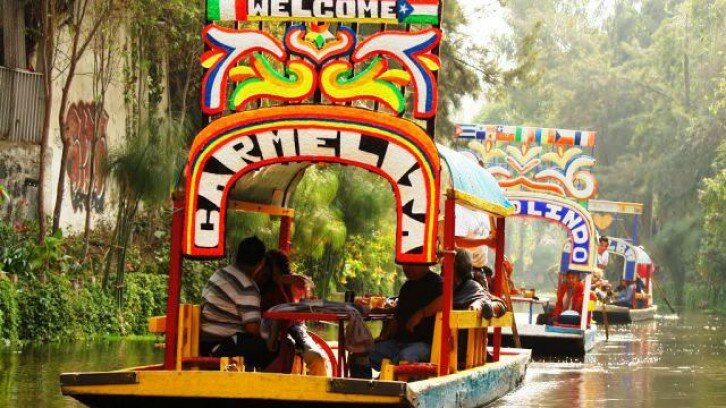
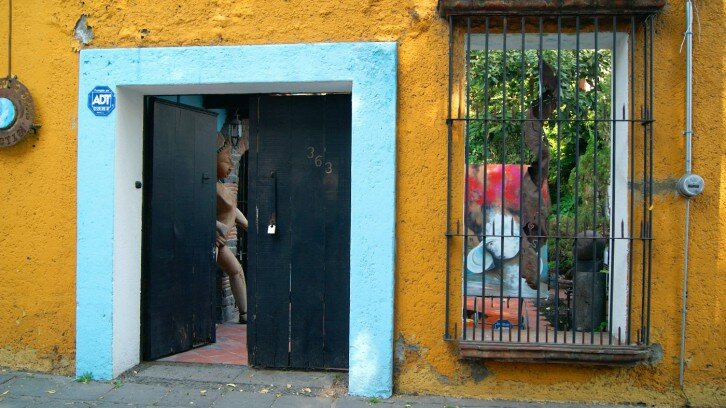
What this section covers. The city as something to hear, smell and touch rather than only to look at — which is the register Mexico City actually works in.
What you hear. The organilleros, barrel-organ players in brass-buttoned uniforms, who have been a fixture of the historic centre since the Porfirian period. The recorded cry of the gas seller and the whistle of the camote cart at dusk. Mariachi at Garibaldi, hired by the song. Danzón on the Zócalo on Saturdays. And the great-tailed grackles, which gather in hundreds in the Alameda at nightfall and sound mechanical.
What you smell. Copal incense in churches and at ofrendas. The Mercado de Jamaica in late October, when the cempasúchil comes in. Freshly ground maize at a tortillería. Charcoal and pastor at nightfall on any street corner.
What you touch and taste. The markets — San Juan, La Merced, Sonora — where everything is handled and nothing is behind glass. A temazcal, the pre-Hispanic steam ceremony. The sensory theatre companies in the Roma, which stage whole pieces in darkness.
Practical notes. The best hours for all of this are early morning in the markets and the hour around sunset in the street. Carry cash and ask before photographing people.
 Facebook
 Twitter
 Instagram