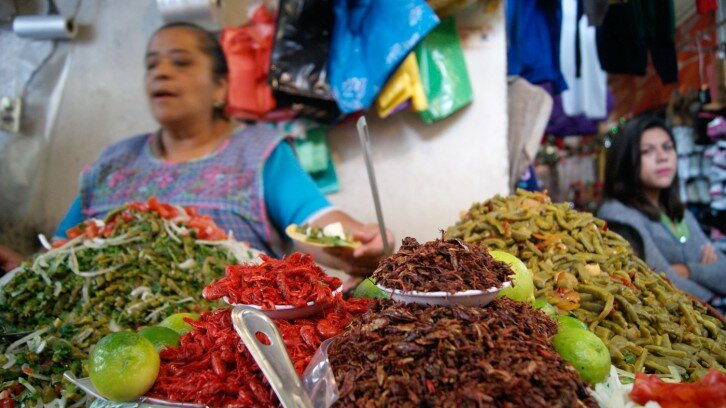
What this section covers. Chefs, kitchens and markets — the reason Mexico City has become one of the serious eating destinations in the world.
Why it works here. Every regional cuisine in Mexico converged on this city, the markets are enormous and cheap, and the native larder is unlike anywhere else: criollo maize in dozens of varieties, chiles named by origin, insects, herbs like hoja santa and epazote, cacao handled the way it was before Europe got to it. Mexican cuisine as a whole is UNESCO Intangible Cultural Heritage.
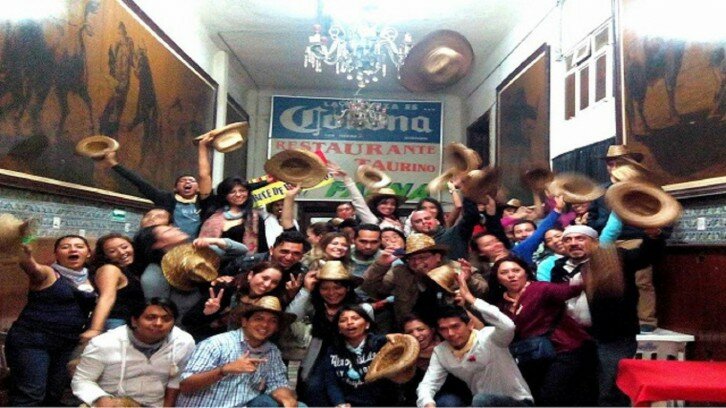
The four levels, all worth using. Street stalls — tacos, tlacoyos, esquites — where you eat where the queue is. Market fondas serving comida corrida for the price of a coffee in the Condesa. Cantinas and neighbourhood restaurants. And the chef-driven kitchens of Polanco, the Roma and Juárez.
The markets to walk. San Juan, where the chefs buy; La Merced; Medellín in the Roma; and La Nueva Viga, the second-largest seafood market in the world.
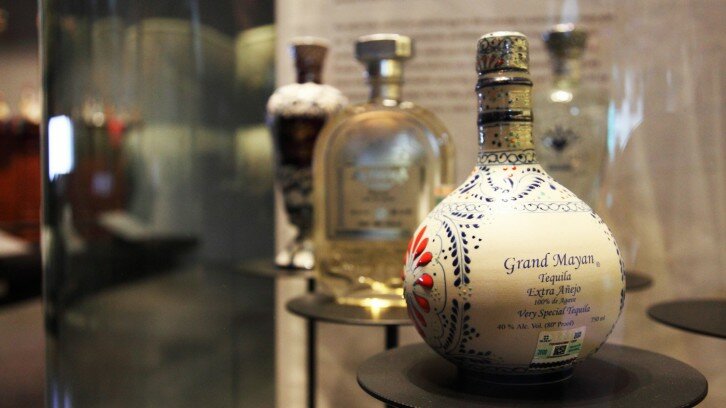
To drink. Mezcal by variety and producer, pulque, Mexican wine from the Valle de Guadalupe, and specialty coffee from Chiapas, Veracruz and Oaxaca.
Practical notes. Lunch at 14:00, dinner from 21:00. Markets and street food are cash. Book the well-known kitchens weeks ahead.
 Facebook
 Twitter
 Instagram