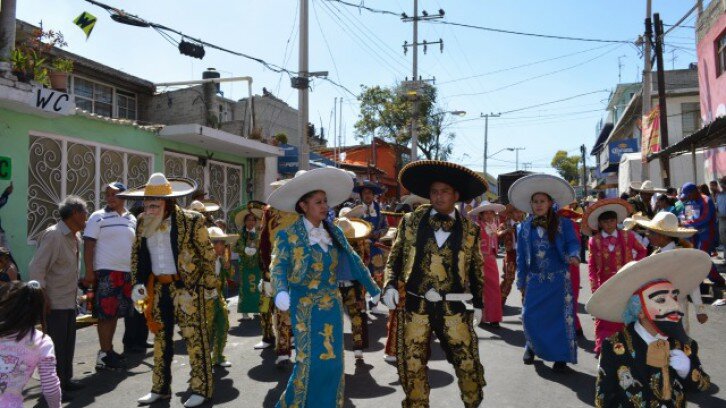
What this section covers. The traditions Mexico City has kept through five centuries of growth: festivals that belong to the original pueblos, pre-Hispanic observances absorbed into the Catholic calendar, and street customs that still organise the year.
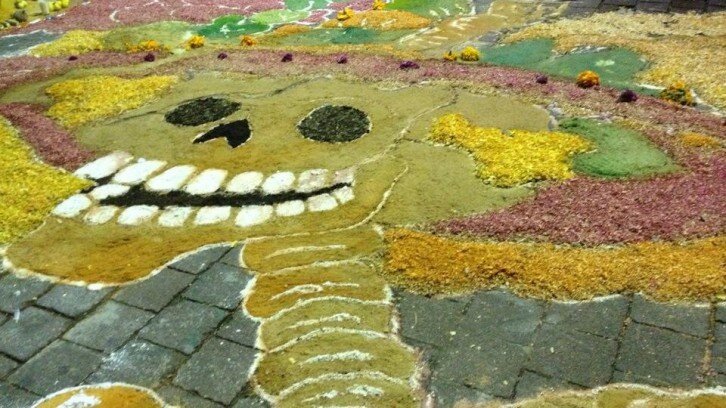
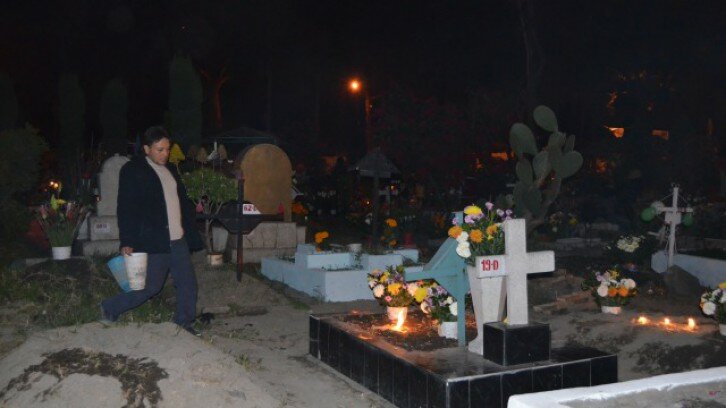
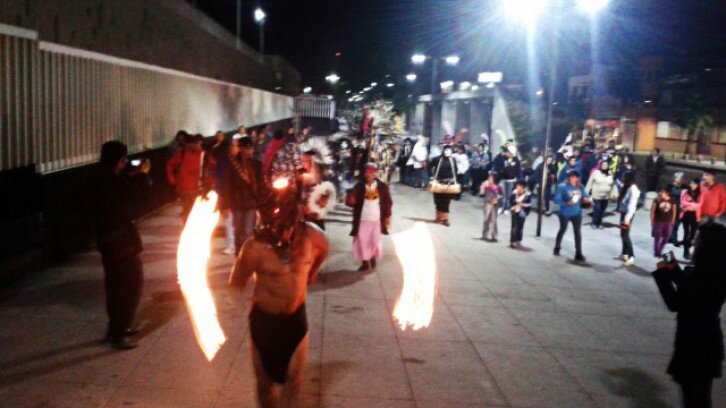
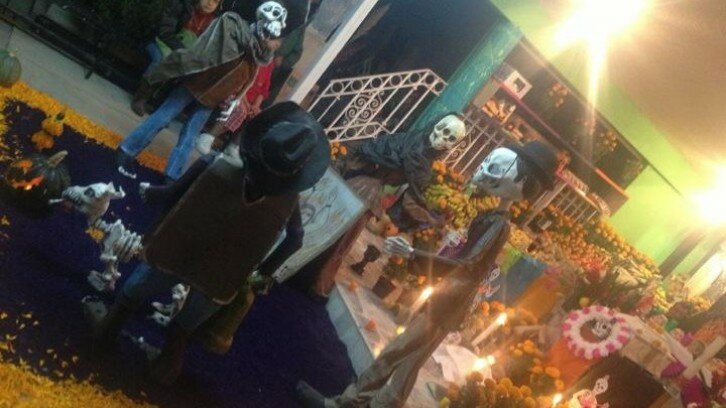
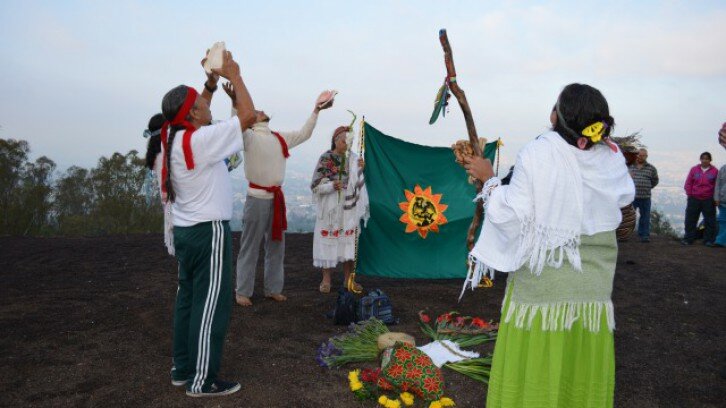
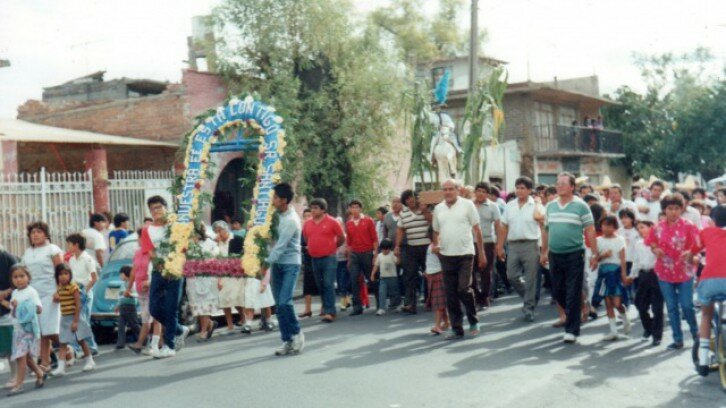
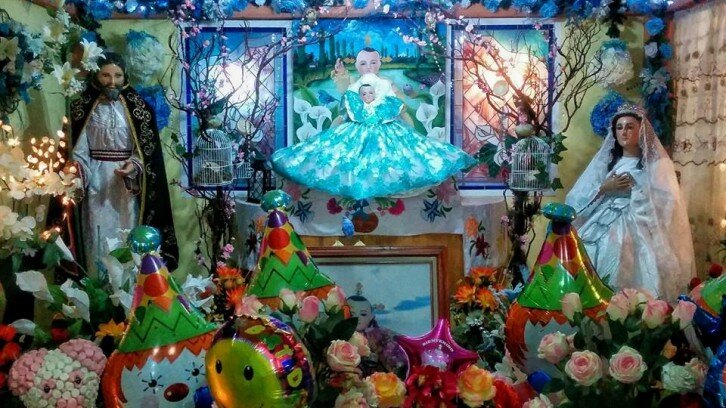
The big ones. Día de Muertos on 1 and 2 November, inscribed by UNESCO as Intangible Cultural Heritage, at its strongest in Míxquic, Xochimilco and Iztapalapa. The carnivals of Iztapalapa in the days before Ash Wednesday. The new fire on the Cerro de la Estrella. The posadas from 16 to 24 December, and the Niñopa of Xochimilco, a sixteenth-century image cared for by rotating households with a waiting list decades long.
What makes them survive. The mayordomía system: families take on the organisation and much of the cost of a feast for a year, then hand it to the next household. It is why these events need no institutional funding and why they are so hard to move or cancel.
How to attend. Free, unticketed and local. Carry cash and small change, go in the afternoon rather than late, and ask before photographing people.