del 1 de November
al 2 de November
De 00:00 a 00:00
Av. Luis Cabrera #1, Col. San Jerónimo Lídice. 10200

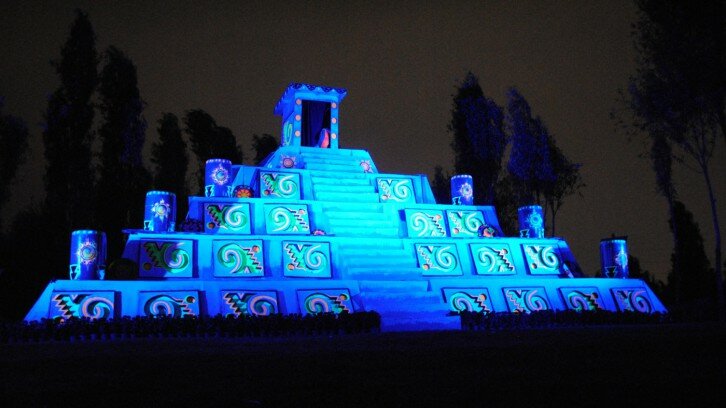
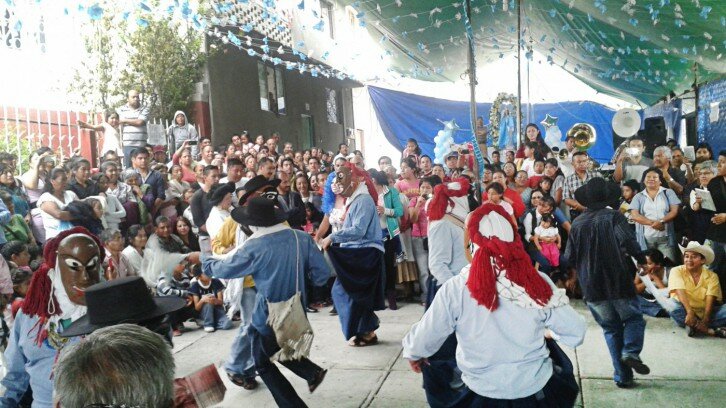
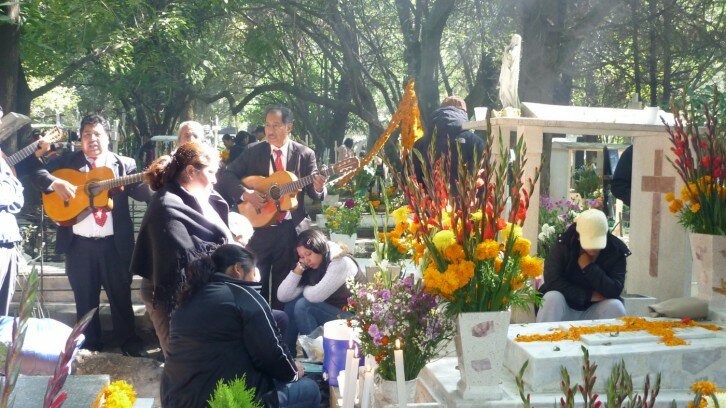
The marigold flower, the perforated paper, the amaranth and chocolate skulls and pan de muerto are part of the multicolor market that is installed in La Casa Popular, a place for artisans and merchants. Meanwhile, different municipalities, temples, cemeteries and plazas are filled with altars, flower wreaths and lit candles at sunset to remember the deceased.
This event is held every year. Día de Muertos falls on 1 and 2 November — 1 November for children who have died, 2 November for adults — with preparations starting in the last days of October. It is not a one-off: it returns on the same dates every year, and UNESCO inscribed the indigenous festivity of the dead as Intangible Cultural Heritage in 2008.
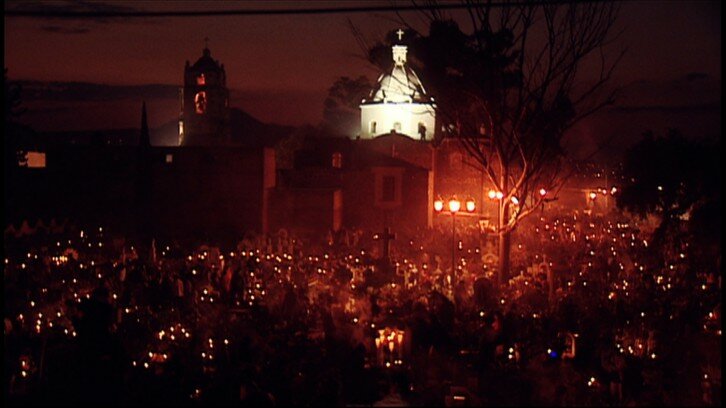
What actually happens. Families build ofrendas: an altar with photographs of the dead, cempasúchil marigolds, copal incense, water, salt, pan de muerto and the food and drink the deceased liked. Cemeteries fill on the night of 1 to 2 November with candles, music and vigils that run until dawn.
Where to see it in the city. The pueblos of the south and east keep the strongest vigils — Mixquic in Tláhuac above all, then San Andrés Míxquic, Xochimilco and Iztapalapa. In the centre, the UNAM megaofrenda, the Zócalo altar and the museum ofrendas are the accessible version.
Going respectfully. A cemetery vigil is a family occasion, not a show. Ask before photographing people, do not step over graves, and go early: the crowds and the traffic in Mixquic after dark are considerable. Dates and street closures are published by the city a few weeks ahead.
Foursquare